
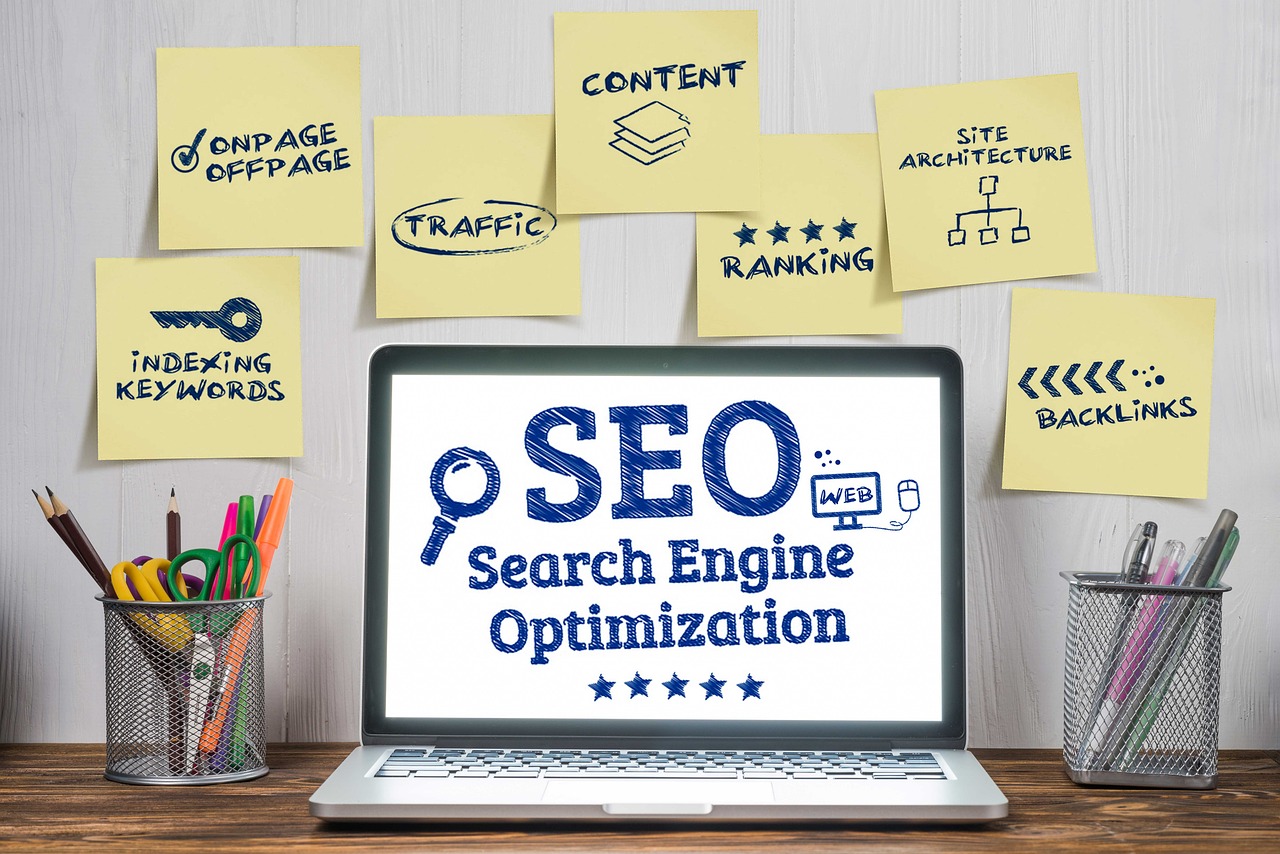
You want SEO that works faster and smarter without trading human judgment for blind automation. An SEO agency using AI combines machine learning, predictive data, and automation with human strategy to improve rankings, streamline content, and target the right traffic more efficiently.
This article explains what an AI-driven SEO agency does, how it changes keyword research, content creation, and technical optimization, and which practices actually deliver sustainable results. Expect practical examples and clear guidance so you can decide whether AI should augment your current SEO or become the core of your strategy.
What Is an SEO Agency AI?
An SEO agency AI combines machine learning, natural language processing, and automation to run repeatable SEO tasks faster and with more data than manual methods. It focuses on scalable keyword discovery, content optimization, technical audits, and performance forecasting to help you prioritize work and measure impact.
Core Features of SEO Agency AI
You get automated keyword research that groups related search intent and surfaces high-opportunity phrases based on volume, difficulty, and conversion signals. The system performs semantic clustering, so you can target topic groups rather than isolated keywords.
Content optimization engines analyze top-ranking pages and suggest title tags, headings, entity mentions, and content length to improve relevance. Many tools generate brief content drafts or outlines tied to search intent, which speeds up production while keeping control in your hands.
Technical SEO modules run site crawls, flag issues (redirects, crawl errors, schema gaps), and prioritize fixes by traffic impact. Reporting layers provide anomaly detection and predictive metrics so you can see which fixes will most likely move rankings and organic visits.
How SEO Agency AI Differs From Traditional SEO Agencies
Unlike traditional agencies that lean on manual audits and intuition, an SEO agency AI centers decisions on real-time data and reproducible models. You receive recommendations backed by cross-site pattern analysis instead of single-expert opinion.
AI-driven workflows automate repetitive tasks—keyword clustering, SERP analysis, and routine auditing—so your team spends more time on creative strategy and implementation. This reduces turnaround time for tests and content iterations.
Pricing and scale also differ: AI platforms let you scale research and monitoring across hundreds of pages at lower marginal cost. You still need human oversight for nuance, brand voice, and link-building relationships, but the AI shifts the balance toward faster, data-driven execution.
Benefits and Best Practices of SEO Agency AI
AI speeds repetitive tasks, surfaces data-driven opportunities, and helps you scale content and technical SEO workflows without expanding headcount.
Advantages for Businesses
AI reduces time spent on keyword research, content outlines, and basic on-page optimization by automating analysis across large site inventories. You can use AI to run weekly backlink and rank-change monitors, enabling faster reaction to lost links or ranking drops.
Expect improved efficiency in content production: AI generates briefs, meta tags, and topic clusters so your writers focus on quality and voice. AI also supports predictive insights—forecasting keyword opportunity trends and traffic uplift—so you prioritize pages with the highest ROI.
Be aware of limits: AI assists pattern recognition and automation but doesn’t replace strategic judgment, brand voice, or relationship-building for backlinks.
Implementing SEO Agency AI Effectively
Start with a clear scope: define which tasks you’ll automate (e.g., audits, reporting, content briefs) and which remain human-led (strategy, outreach, creative writing). Integrate AI tools with your CMS and analytics stack to avoid duplicate work and keep data centralized.
Create guardrails: establish editorial templates, tone rules, and review checklists so AI outputs meet your brand standards. Schedule regular human reviews for on-page changes, and use A/B testing for content variations generated by AI.
Train the team on prompt design and tool limitations so you get reproducible, high-quality outputs. Track KPIs tied to automation (time saved, pages optimized, traffic changes) to validate ROI and adjust workflows.
Choosing the Right SEO Agency AI Solution
Compare solutions by capability: look for combined features—keyword research, technical crawling, content generation, and reporting—rather than single-purpose tools. Evaluate data sources and integrations; ensure the solution ingests your analytics, Search Console, and backlink data.
Ask about customization: can the tool apply your editorial guidelines, brand lexicon, and local SEO requirements? Check vendor transparency on model updates and SEO methodology so you understand how recommendations are generated.
Pilot with a small site section and measure ranking, CTR, and content quality before full rollout. Prioritize vendors that offer human-in-the-loop workflows and responsive support to handle edge cases and evolving search engine behavior.