You feel the urge to create, connect, and enjoy life, and the sacral chakra explains why those drives matter. Located below your navel, it governs pleasure, emotional expression, and creative flow, so when it’s balanced you move through relationships and projects with ease and vitality.
Understanding and tending this center can restore your emotional balance and unlock sustained creative energy.
This article explains Sacral Chakra Meaning and what the sacral chakra represents for your emotions, creativity, and sensual life, how to spot imbalance, and practical ways to heal it through movement, meditation, and daily practices. Expect clear, actionable steps that help you notice shifts in your energy and bring more flow into everyday moments.
Understanding Sacral Chakra Meaning
The sacral chakra centers on your feelings, sexual energy, and creative impulses. It influences how you experience pleasure, express emotions, and relate to others.
Origins and Historical Significance
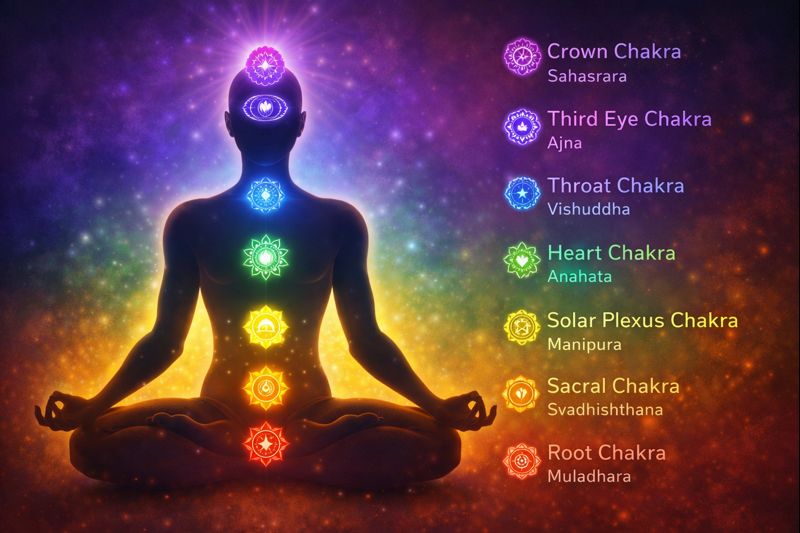
The sacral chakra, called Svadhisthana in Sanskrit, appears in classical Hindu and Yogic texts as the second of seven primary energy centers. Those texts place it in the lower abdomen, roughly two inches below the navel, and link it to life force that governs reproduction and bodily fluids.
Early tantric and Ayurvedic teachings associate this chakra with the element of water, emphasizing flow and adaptability. Over centuries, Western authors adapted these ideas into modern energy-healing systems, keeping the core associations while framing them for psychological and somatic practices you can use today.
Symbolism and Associations
The sacral chakra’s visual symbols include an orange color and a six-petaled lotus, often depicted with a crescent moon or water imagery. Orange represents warmth, enthusiasm, and stimulation; the lotus petals symbolize unfolding emotion and creativity.
Common physical and energetic associations you should note:
- Location: lower abdomen, just below the navel
- Element: water (flow, flexibility)
- Color: orange
- Governs: reproductive organs, kidneys, bladder These specifics help you identify where imbalances might show up and which practices—like pelvic-focused movements or water-based visualization—target this center.
Emotional and Creative Influence
When your sacral chakra functions well, you experience emotional fluidity, healthy sexual expression, and creative momentum. You feel able to enjoy sensory pleasures, adapt to change, and express desire without guilt.
If it’s underactive, you may notice emotional numbness, creative blocks, or low libido. Overactivity can look like impulsivity, boundary issues, or emotional reactivity. Practical signs to watch for include shifts in intimacy patterns, changes in creative output, and recurring pelvic or urinary discomfort—these can indicate where to focus breathwork, yoga poses, or expressive practices to restore balance.
Balancing and Healing the Sacral Chakra
You can recognize imbalance through emotional, physical, and behavioral signs, and you can use targeted practices—movement, breath, creative work, sensation-focused therapy, and supportive lifestyle changes—to restore flow and stability to your sacral chakra. Benefits include clearer emotional boundaries, increased creative output, and healthier sexual expression.
Common Signs of Imbalance
When your sacral chakra is underactive, you may feel emotionally numb, uninspired, or disconnected from pleasure. You might avoid intimacy, lack libido, or struggle to feel joy in activities that once excited you.
Overactivity often shows as impulsivity, obsessive sexual behavior, or mood swings. Physically you may notice lower abdominal pain, pelvic tension, menstrual irregularities, or digestive upset.
Look for patterns in relationships: difficulty saying no, codependency, or fear of change suggest energetic imbalance. Track sleep, appetite, and creativity for shifts; these practical signals help you decide which techniques to try first.
Techniques for Restoring Balance
Start with embodied practices: pelvic-focused yoga (hip openers, gentle twists), conscious breathing into the lower abdomen, and mindful pelvic floor releases. Move daily for 10–20 minutes to increase blood flow and somatic awareness.
Use creative expression—painting, dance, journaling about desire and boundaries—for at least two sessions per week to reconnect with emotion and play. Pair with a 10–15 minute guided visualization that colors your lower belly orange while imagining fluid, safe movement.
Apply sensory tools: a warm compress to the lower abdomen, orange or carnelian-colored items, and essential oils like sweet orange diluted in a carrier oil for topical use. If you choose crystals or aromatherapy, treat them as supportive rituals rather than cures.
Therapeutic approaches—sex-positive therapy, somatic experiencing, or working with a trauma-informed counselor—help address deeper blocks. Keep lifestyle supports: regular hydration, balanced fats, and limiting stimulants that destabilize mood. Practice a simple daily affirmation focused on pleasure, boundaries, or creativity.
Benefits of Chakra Alignment
When your sacral chakra regains balance, you typically experience steadier mood regulation and clearer emotional boundaries. You may find increased interest in creative projects and a smoother flow of inspiration.
Sexual expression becomes healthier and more consensual, with improved libido and comfort in intimacy. Physically, many people report reduced pelvic tension, fewer menstrual complaints, and better digestive ease.
Daily life often improves through stronger decision-making around relationships and work. Balanced sacral energy supports sustained creativity, more fulfilling pleasure, and clearer self-knowledge, which together enhance practical well-being.