
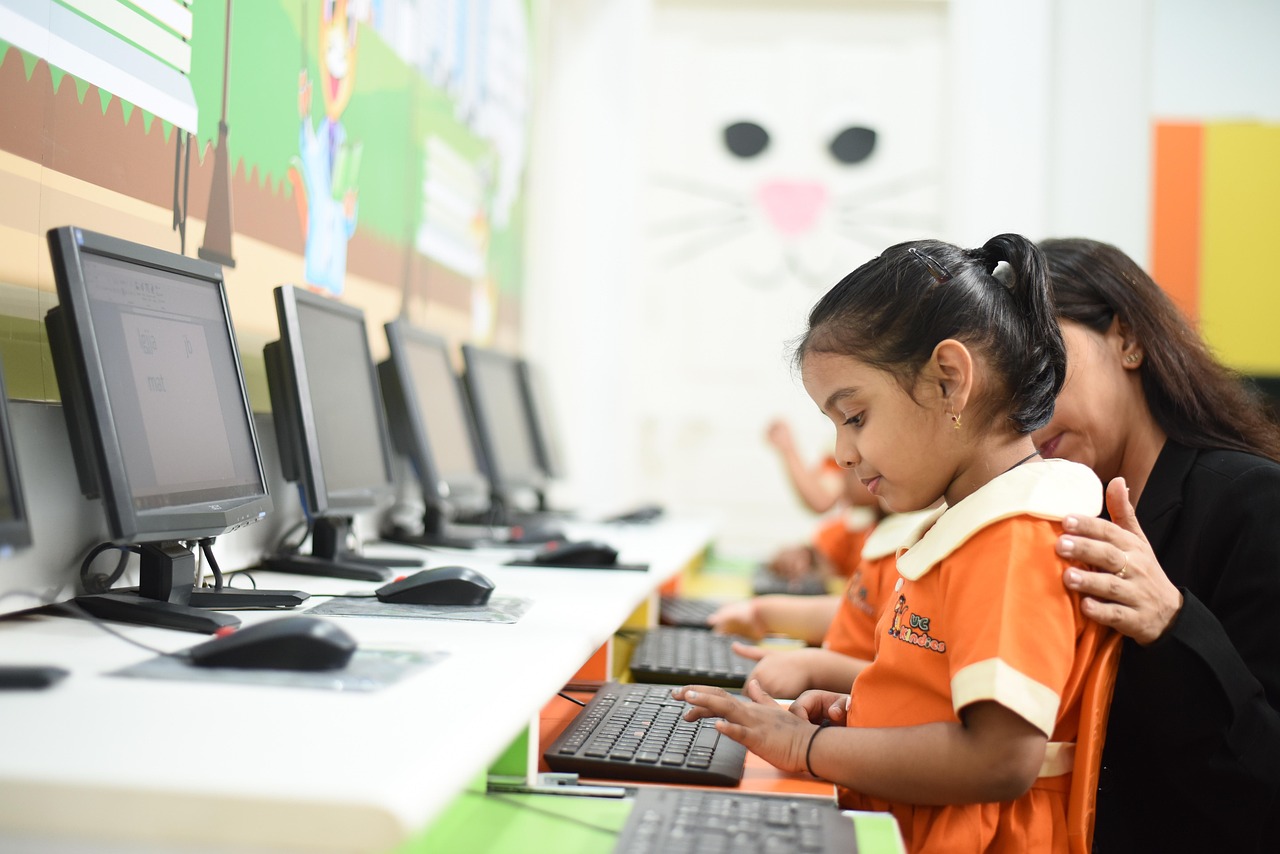
You want a preschool and daycare center near me that fits your child’s needs and your schedule. Start by focusing on licensed programs close to home or work that list real-time availability, subsidy options, and recent inspection reports—these give you the quickest path to a safe, suitable placement.
This article walks you through how to compare local preschools, what program features matter most for different ages, and ways to find openings and join waitlists efficiently. You’ll get clear steps to narrow choices, evaluate staff and curriculum, and spot centers that match your family’s priorities.
Choosing the Right Preschool and Daycare Center Near Me
You should focus on safety, daily routines, teacher qualifications, and how the program supports your child’s learning and social growth. Practical details like drop-off times, tuition, and proximity will shape which centers you can realistically visit and choose.
Key Factors to Consider When Selecting a Center
Check teacher-to-child ratios and staff credentials first. Lower ratios (for example, 1:4 for infants, 1:8 for toddlers) mean more supervision and individual attention. Verify background checks and ongoing professional development for teachers.
Observe daily schedules during a visit. Look for consistent routines that balance free play, structured learning, outdoor time, meals, and naps. Ask how the center handles transitions, discipline, and communication with families.
Review policies on illness, vaccinations, and emergency procedures. Confirm staffing backup plans for sick teachers and how the center reports incidents. Request sample menus, parent handbook, and references from current families.
Safety and Accreditation Standards
Confirm state licensing and any national accreditations (such as NAEYC in the U.S.) the center holds. Licensing shows legal compliance; accreditation indicates higher program quality and regular external review.
Inspect the physical environment for secure entry points, locked gates, and controlled visitor access. Check sanitation: clean changing areas, handwashing stations at child height, and visible cleaning logs for toys and surfaces.
Ask about staff medical training. Ensure all caregivers have current CPR and first-aid certifications and that at least one trained staff member is on-site at all times. Inquire about emergency drills, evacuation plans, and how they store and administer medication.
Location and Accessibility
Measure realistic travel time during peak hours, not just distance. Consider whether the center fits your commute or drop-off routine and if they offer staggered hours or early drop-off to match work schedules.
Check parking and carpool logistics. Look for safe drop-off loops, curbside supervision, and designated visitor parking. If you rely on public transit, confirm nearby stops and safe walking routes.
Evaluate accessibility for your child’s needs. Confirm wheelchair access, changing facilities, and any sensory accommodations. Ask how the center supports children with dietary restrictions, allergies, or individualized education plans (IEPs).
Curriculum and Learning Approaches
Identify the program’s educational philosophy—play-based, Montessori, Reggio Emilia, or academic-focused—and decide which aligns with your child’s temperament and your goals. Request sample lesson plans and daily activity schedules.
Look for evidence of both social-emotional and cognitive development. Quality programs include guided play, language-rich interactions, fine and gross motor activities, and opportunities for problem-solving and creativity.
Ask how teachers assess progress and share updates with families. Reliable centers use ongoing observations, portfolios, or developmental checklists and schedule regular parent-teacher meetings. Confirm how they support transitions to kindergarten and whether they partner with outside specialists when needed.
Programs and Benefits of Local Preschool and Daycare Centers
Local centers offer daily routines that support social, cognitive, and physical growth through planned activities, trained staff, and predictable nutrition. You’ll find programs that match age, family schedules, and developmental goals while maintaining safety and regulatory standards.
Age-Appropriate Activities and Development
Centers group children by age or developmental stage to tailor play and learning. For infants, expect focused caregiver interaction, tummy time, and sensory toys that promote motor skills and attachment. Toddlers receive activities that build language and independence—guided circle time, simple art projects, and gross-motor play with climbing structures or balance beams.
Preschoolers engage in structured pre-literacy and numeracy tasks: letter and number games, storytelling, and small-group projects that build attention and cooperation. Many programs use play-based curricula (puzzles, dramatic play, science tables) to teach problem solving and self-regulation. Look for daily schedules posted for naps, outdoor play, and focused learning to ensure consistent developmental support.
Qualified Caregivers and Staff
You should expect staff credentials and ongoing training to be visibly posted or available on request. Qualified caregivers typically hold early childhood education certificates, first aid/CPR, and background checks. Centers often require staff-to-child ratios by age—lower ratios for infants and higher for preschoolers—to ensure supervision and individualized attention.
Ask about staff professional development: topics commonly include child development, behavior guidance, and health/safety. Also check whether centers have a lead teacher model, consistent staffing assignments, and written policies for illness, medication, and emergency procedures. Those features reduce turnover and improve continuity of care for your child.
Nutrition and Meal Planning
Daycare meal plans should follow local nutrition guidelines and accommodate allergies and cultural preferences. Many centers provide scheduled meals and snacks with portion sizes adjusted by age—formula or breast milk for infants, soft finger foods for toddlers, and balanced meals for preschoolers that include protein, whole grains, fruits, and vegetables.
Request menus and ingredient lists before enrollment. Good programs post weekly menus, follow safe food-handling practices, and implement allergy action plans with staff training and labeled food storage. If you provide packed meals, centers usually offer guidance on portion sizes and prohibited items (e.g., choking hazards, nut products) to keep your child safe and well-nourished.