
Looking for a house for rent in London Ontario Canada? You’ll find choices ranging from single-family homes and townhouses to larger multi-bedroom properties across diverse neighbourhoods, and you can expect average monthly rents around the mid-$2,000s with plenty of listings at lower and higher price points depending on location and size. This article shows what types of homes are available, where value concentrates, and how local rental trends affect what you’ll pay.
You’ll learn how housing stock, neighbourhood character, and recent market data shape your search so you can target the best fit for your budget and lifestyle. Keep reading to see practical tips for narrowing options, comparing prices, and spotting good long-term rentals in London’s market.
Types of Houses for Rent in London Ontario Canada
You’ll find rental options ranging from detached family homes with yards to multi-level townhouses and apartment units in low- and high-rise buildings. Each type differs in space, privacy, maintenance responsibilities, and typical neighbourhoods.
Single-Family Homes
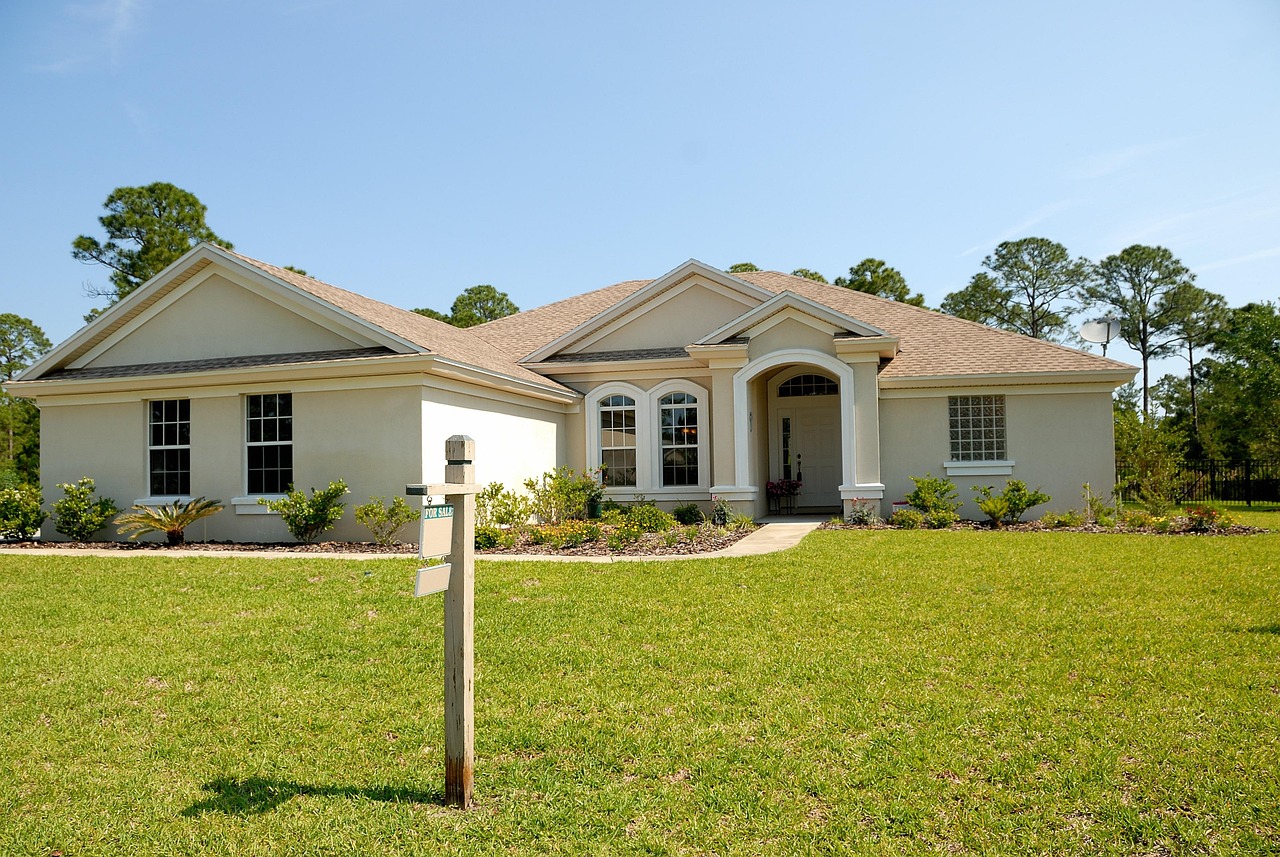
Single-family homes provide standalone living with private yards and driveways. You get multiple bedrooms, full basements in many older homes, and detached garages or parking pads. Expect larger monthly rents but more control over outdoor space and storage.
These houses commonly appear in Westmount, Byron, and Old North neighbourhoods. Utilities may be tenant-responsible depending on the lease, so check whether heating, water, and lawn care are included. Landlords often require references, credit checks, and a longer lease term.
Pros:
- Private entry and outdoor space
- More storage and parking Cons:
- Higher rent and potential maintenance duties
- Longer commute from central areas for some listings
Townhouses
Townhouses offer multi-level living with shared walls and less exterior maintenance than detached homes. They often include 2–3 bedrooms, an attached garage, and small fenced patios; some newer complexes provide community amenities like playgrounds or visitor parking.
You’ll commonly see townhouse rentals in family-oriented suburbs such as North and South London crescents. Lease terms vary; some landlords handle snow removal and landscaping. Expect moderate rent with good balance between space and upkeep.
Key points:
- Better value per square foot than detached homes
- Less privacy than single-family but lower maintenance burden
Apartments
Apartments range from basement suites and low-rise walk-ups to mid/high-rise condo rentals. Units vary widely: bachelor and one-bedroom for singles or students, and two- to three-bedroom layouts for roommates or small families.
You’ll find many apartment listings near Western University, downtown, and major transit corridors. Building amenities can include in-suite laundry, on-site laundry rooms, elevators, and secure entry. Rents tend to be lower than detached houses but watch for included utilities, pet policies, and parking fees.
Rental Prices and Trends in London Ontario
London’s rental market shows moderate prices with recent downward pressure in some segments and variability by unit type and neighborhood. Expect one-bedroom rents around the mid-$1,500s and two-bedrooms near $2,000, while single-family houses commonly rent above $2,100 per month.
Current Market Rates
You can expect a one-bedroom apartment to average about $1,599 per month and a two-bedroom around $1,985 based on recent listings and aggregated platforms. Single-family homes and larger units commonly list from $2,100 to $2,400, with some higher-end rentals above that range.
Rents have declined modestly year-over-year in parts of London, pushing average figures slightly below the national Canadian average. Supply varies — central neighborhoods and areas near Western University or Fanshawe College often command higher rents and shorter market times.
Factors Influencing Rent
Local employment trends, student demand, and housing supply strongly affect what you pay. An influx of students or temporary workers increases demand for smaller units, while more listings or new builds ease upward pressure on rents.
Condition, size, and amenities matter for pricing: updated kitchens, parking, and in-unit laundry typically add to monthly rent. Location and commute time influence cost too; properties closer to downtown, transit, or major employers generally carry a premium.
Comparison with Nearby Cities
Compared with nearby Southwestern Ontario centers, London often sits between smaller towns and larger urban centers in rent levels. You will usually find lower rents than Toronto but higher rents than many smaller communities in the region.
A quick comparison table:
- London: one-bed ~$1,600; two-bed ~$1,985; houses ~$2,100+
- Windsor/Kitchener (typical): generally lower to similar for one- and two-bed units
- Toronto: substantially higher across all unit types
This should help you position your budget and search priorities when evaluating listings across the region.