
You want a Heating and Air Conditioning Company that keeps your home comfortable, cuts energy waste, and fixes problems fast. Choose a provider that offers full-service installation, reliable repairs, routine maintenance, and clear estimates so you save money and avoid surprise breakdowns.
This article walks you through what full-service HVAC looks like, how to evaluate technicians and warranties, and practical questions to ask before hiring. Use these tips to compare companies, understand service options, and make a choice that protects your comfort and budget.
Comprehensive Heating and Air Conditioning Services
You’ll get full-service support for choosing, maintaining, and repairing HVAC equipment so your home stays comfortable and efficient year-round. Expect clear pricing, scheduled service windows, and technicians who document work and explain options.
Installation of HVAC Systems
You receive a site-specific load calculation (Manual J) to size the system correctly, which prevents short-cycling and reduces energy waste. Technicians will recommend systems—furnaces, air handlers, heat pumps, or split/packaged AC—based on your home’s square footage, insulation, duct layout, and occupancy patterns.
Installation steps typically include removal of the old unit, duct inspection and sealing, proper refrigerant charging, and startup testing with airflow and temperature-split measurements. You should get a written estimate showing equipment model numbers, SEER/HSPF or AFUE ratings, warranty details, and the expected timeline. Ask for a demonstration of thermostat operation and a copy of system documentation before the crew leaves.
Heating System Maintenance
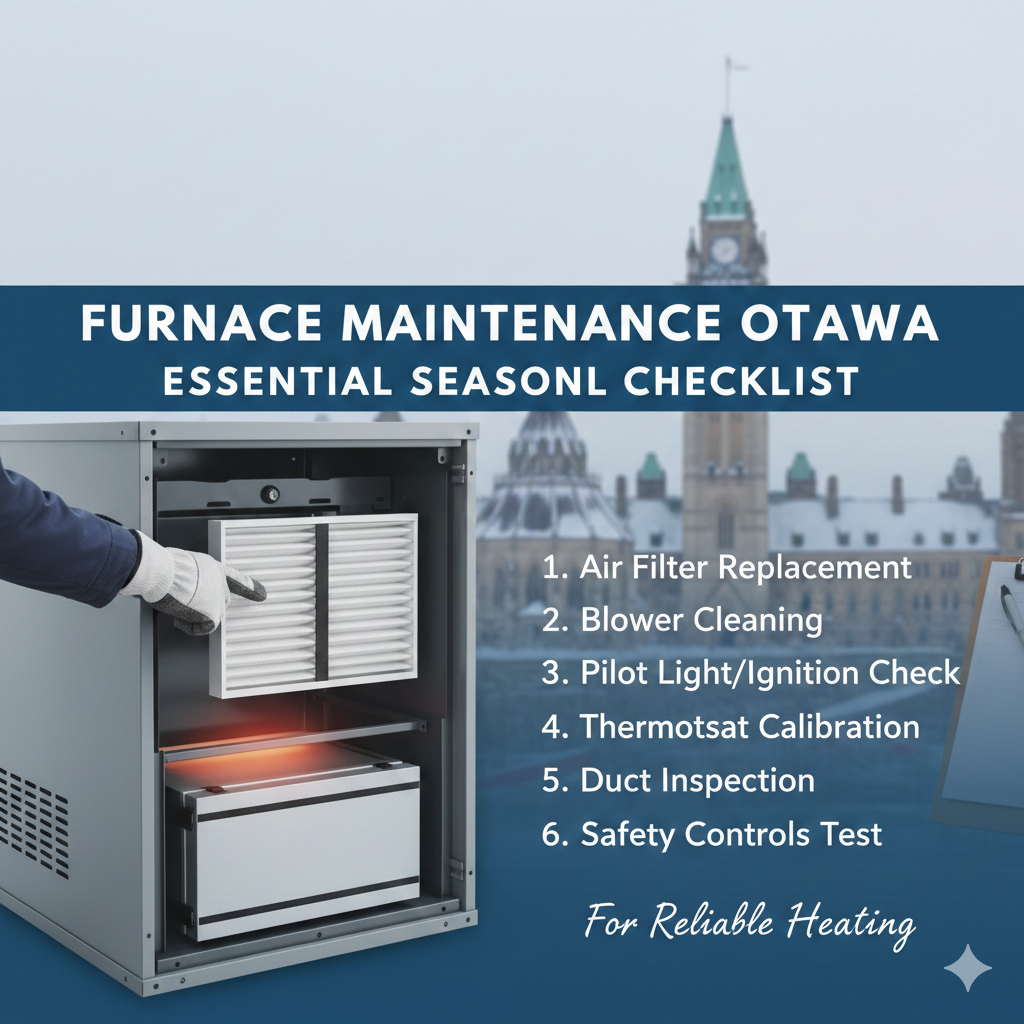
You should schedule an annual tune-up in fall for furnaces or heat pumps to catch problems before cold weather. A standard service visit includes filter replacement or inspection, burner and heat exchanger cleaning (for gas furnaces), ignition and safety control checks, and combustion analysis if applicable.
Technicians also inspect flue/venting, test blower motor amperage, and measure temperature rise to confirm safe, efficient operation. Regular maintenance lowers breakdown risk, maintains manufacturer warranty compliance, and can extend equipment life by several years when performed according to the maintenance checklist.
Air Conditioning Repairs
When your AC shows reduced cooling, uneven temperatures, or high electric bills, technicians begin with diagnostics: refrigerant level, compressor operation, condenser coil condition, and airflow measurements. Many repairs are common and repairable onsite—capacitor or contactor replacements, refrigerant recharge after locating leaks, fan motor swaps, or capacitor and capacitor-run component fixes.
You’ll receive a written diagnosis, repair options with costs, and expected time to complete work. For major failures—compressor burn-out or coil damage—technicians will compare repair cost versus replacement, factoring in unit age and efficiency. Emergency services and prompt parts sourcing minimize downtime during hot weather.
Choosing the Right Heating and Air Conditioning Company
Focus on contractors who prove competency, show transparent pricing, and offer energy-efficient options that match your home size and budget. Prioritize licensed technicians, verified customer feedback, and clear recommendations for efficiency upgrades.
Licensed Technicians and Certifications
You should verify the contractor’s state or local HVAC license and request proof before work begins. Licensing confirms legal permission to perform installations and repairs; it also usually requires insurance and bonding, which protects you if a technician is injured or property is damaged.
Look for technician certifications like NATE (North American Technician Excellence) or manufacturer-specific credentials for the brands you consider. These certifications show that technicians passed standardized tests and received training on modern system diagnostics and installation best practices.
Ask for copies of licenses and certificates and note expiration dates. Also confirm the company carries general liability and workers’ compensation insurance, and get those policy numbers in writing.
Customer Reviews and Testimonials
Check multiple sources for reviews: Google, Better Business Bureau, and local trade associations. Look for consistent patterns in recent feedback—reliable arrival times, adherence to estimates, clean work, and responsiveness to follow-up issues matter more than a single five-star or one-star review.
Request local references and ask specific questions: Did the technician perform a load calculation? Was the quoted price firm? Did the system meet promised efficiency and comfort levels? Speak directly with at least two recent customers if possible.
Watch for how the company responds to negative reviews. Professional, prompt responses that offer remediation indicate accountability. Avoid contractors with many unresolved complaints about cancellations, surprise fees, or shoddy installs.
Energy-Efficient Solutions
You want a contractor who evaluates your home before recommending equipment. Proper sizing requires a Manual J load calculation, not rule-of-thumb guesses; ask if they perform it. Sizing and duct evaluation directly affect comfort, operating costs, and system lifespan.
Request options showing estimated annual energy use and operating cost differences between models. Good contractors explain SEER, AFUE, and HSPF ratings and how those translate to your bills based on local climate and typical usage.
Discuss available rebates, tax credits, and maintenance plans the company offers. Also verify warranty terms in writing, including labor coverage. Energy-efficient upgrades paired with a clear maintenance plan reduce long-term costs and improve system reliability.