
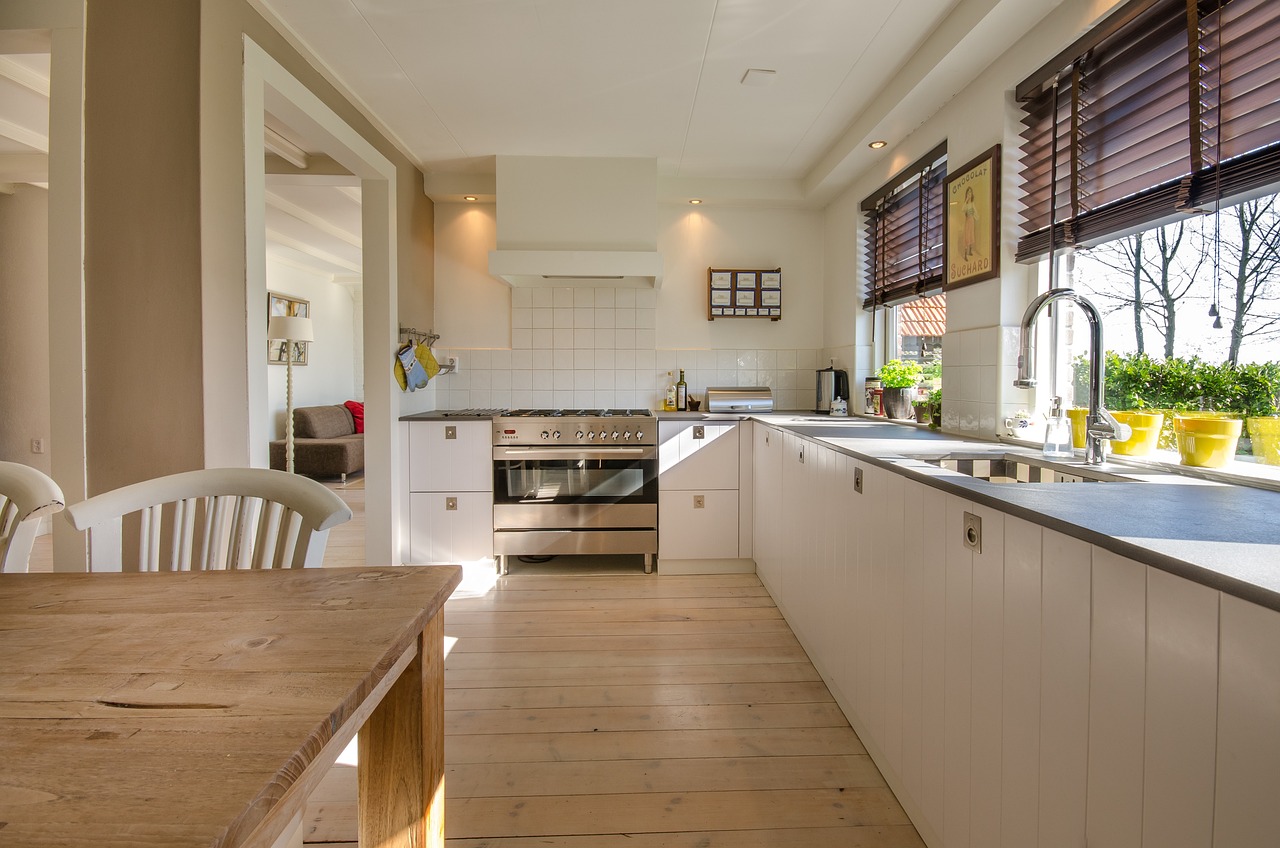
You want a Granite Countertop that looks timeless, stands up to daily use, and adds measurable value to your home. Granite delivers durable natural stone, a wide range of colors and patterns, and relatively straightforward upkeep, making it a practical choice for kitchens and bathrooms.
This post walks you through what granite really offers, how it compares to other surfaces, and what to expect during installation and maintenance. You’ll get clear, practical guidance so you can decide whether granite fits your style, budget, and lifestyle.
Granite Countertops Overview
Granite offers durable, heat- and scratch-resistant surfaces, a wide range of natural colors, and requires periodic sealing to resist stains. You’ll choose among polished, honed, or leathered finishes and weigh cost and maintenance against alternatives like quartz and laminate.
Benefits of Granite Countertops
Granite stands out for hardness and heat resistance. You can place hot pots briefly without immediate damage, and the stone resists everyday scratches better than softer materials.
Granite is highly durable for long-term use. A properly installed slab lasts decades and tolerates typical kitchen activity—chopping, baking prep, and heavy appliance placement—without structural failure.
Maintenance is manageable but specific. You must seal granite periodically (often annually) to reduce staining from oil and wine. Clean with mild soap and a soft cloth; avoid acidic cleaners that can dull the sealant.
Aesthetics add resale value. Natural veining and unique patterns mean no two slabs match, so your countertop can serve as a distinctive focal point in your kitchen or bath.
Popular Granite Colors and Finishes
Color ranges from near-white and soft grays to deep blacks, greens, and reds. Lighter granites (e.g., white or beige) hide light crumbs and brighten a space, while darker slabs conceal stains and create contrast with cabinetry.
Common finishes change appearance and performance:
- Polished: High gloss, enhances color and pattern, easier to clean.
- Honed: Matte look, softer reflection, hides scratches better.
- Leathered: Textured sheen, more tactile, resists showing fingerprints.
Match color and finish to room lighting and cabinet tones. For small kitchens, choose lighter patterns to make the space feel larger. For busy households, durable mid-to-dark granites with leathered or honed finishes reduce visible wear.
Comparing Granite to Other Countertop Materials
Against quartz, granite is natural stone with unique veining; quartz offers uniform patterns and lower maintenance because it’s nonporous. You’ll pay similar amounts depending on grade, but high-end granites can cost more.
Compared with laminate and solid surface, granite provides superior heat and scratch resistance. Laminate wins on cost; solid surface offers easier repair for minor damage but lacks granite’s natural look.
Against marble, granite is harder and less prone to etching from acids like lemon juice. Marble gives a classic look but demands more careful maintenance. Choose based on your tolerance for upkeep and the visual effect you want.
Installation and Maintenance
You will learn the key steps for a safe, accurate granite install, the cleaning habits that preserve finish, and exactly when and how to seal to prevent stains and moisture damage.
Granite Countertop Installation Process
Start by verifying cabinet level and structural support; cabinets must be fully secured and shimmed so they don’t sag under stone weight. Measure openings precisely and provide a 1/8″ tolerance for fabricator templates; inaccurate measurements cause seam gaps or improper fit.
When slabs arrive, inspect for chips, cracks, and color match. Have the fabricator cut openings for sinks and cooktops, and plan seam locations on less visible areas. Use at least two people to position slabs; lift with suction cups and avoid dragging.
Set countertops on a thin bed of silicone or non-sanded grout to create a waterproof cushion and allow minor adjustment. Align seams, use epoxy color-matched filler, and clamp until cured. Fasten backsplashes with silicone bead and leave 1/8″ gap to avoid pressure. Check level and allow adhesive to cure before installing plumbing or applying heavy loads.
Care and Cleaning Recommendations
Wipe spills promptly—especially oil, wine, coffee, and lemon—to reduce stain risk. Use a soft cloth, warm water, and a pH-neutral stone cleaner or mild dish soap; avoid acidic or abrasive cleaners that dull the polish.
For daily cleaning: spray cleaner, wipe in circular motions, then dry to prevent water spots. For stuck-on residue, soak with a damp cloth for several minutes before wiping. Use cutting boards and trivets to protect against scratches and thermal shock; granite resists heat but extreme, repeated temperature change can cause cracks.
For minor scratches or dull spots, use a granite polishing compound following manufacturer instructions. Avoid bleach, vinegar, or ammonia-based products. Test any new cleaner on an inconspicuous area first.
Sealing Granite Surfaces
Determine seal frequency by performing a water-drop test: place a few drops on the surface—if they bead after 10–15 minutes, sealing is not immediately needed; if they absorb or darken the stone, plan to reseal. Most residential granite requires sealing every 1–3 years depending on porosity and use.
Use a penetrating (impregnating) sealer for countertops; apply to a clean, dry surface. Work in small sections: apply sealer, let it sit per product instructions (usually 10–15 minutes), then wipe off excess and buff dry. Allow full cure time before exposing to water or heavy use—typically 24–72 hours.
Keep records of the sealer brand and application date. Reapply sooner in high-use areas and after repairs or heavy staining treatments. If unsure which sealer to use, consult your fabricator or a stone-care professional for a product matched to your stone’s porosity.