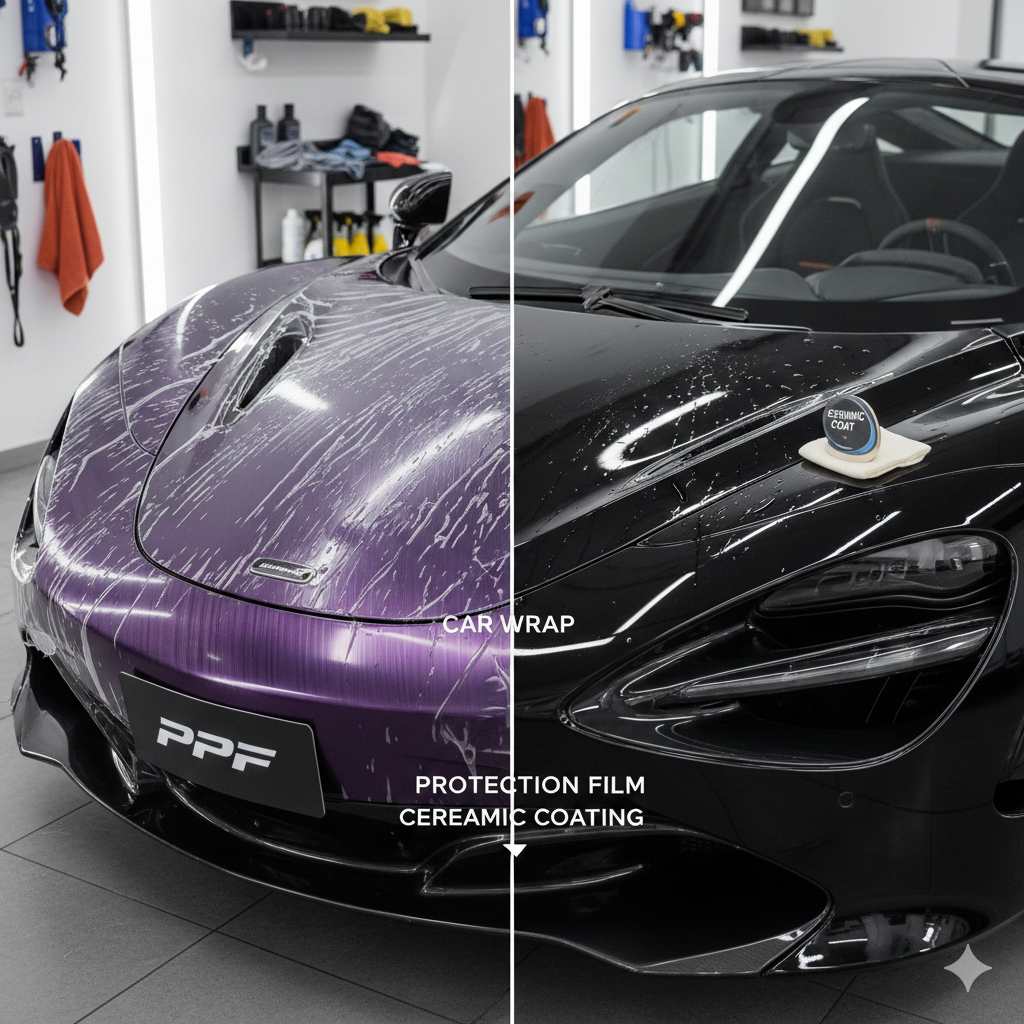
Looking for a car wrap near me that fits your budget and style? Start by checking local installers for experience, portfolio quality, and material options—these three factors most directly determine cost, durability, and final appearance. You’ll save time and money by comparing installers who show clear before-and-after photos and who offer warranties on both materials and installation.
As you decide between full car wraps, partial wraps, or custom decals, consider how each option affects visibility, maintenance, and resale value. This article walks you through finding reputable shops nearby, understanding pricing drivers, and choosing the wrap type that matches your goals so you can move forward with confidence.
Finding the Best Car Wrap Near Me
Focus on measurable details: installer experience, materials and warranties, exact service inclusions, and real customer feedback. Prioritize shops that show clear examples of past work, transparent pricing, and written guarantees.
Evaluating Local Car Wrap Providers
Look for installers with at least three years of dedicated vehicle wrap experience and a portfolio showing full-vehicle and partial-wrap work on vehicles similar to yours. Check for certified installers (3M, Avery, or Oracal) and ask which vinyl brands they use; quality differences affect colorfastness and removal.
Inspect the workshop in person when possible. You want a clean, climate-controlled bay, proper tools, and heat/wrap tables. Ask about prep work — dent repair, paint correction, and thorough cleaning — because poor prep causes bubbling and early lift.
Get written warranty terms: length, what it covers (color fade, peeling, lifting), and whether labor is included. Confirm who handles factory paint warranty issues if the wrap needs removal.
Comparing Prices and Services
Request detailed, itemized quotes from at least three shops for the same scope (full wrap, partial, or accent). Quotes should list vinyl brand/model, laminate, printing (if wrap has graphics), labor hours, and removal cost. Avoid vague flat prices.
Compare turnaround time and what’s included: trim removal, door jambs, wheels off or on, and any post-install inspections. Cheaper shops often cut corners on prep or use lower-grade vinyl; pay attention to the lifecycle estimate each quote provides.
Negotiate only after you’ve confirmed materials and warranty parity. If a price is significantly lower, ask for references and a recent example of comparable work to verify quality.
Reading Customer Reviews
Filter reviews for repeat mentions of the same issues: durability problems, missed deadlines, or poor communication. Focus on reviews that include photos and dates, which help verify longevity and consistency.
Use multiple sources: Google, Yelp, Facebook, and industry-specific directories. Prioritize reviews from vehicle owners with similar wrap types (full, matte, printed) and note how the shop responded to complaints.
Contact past clients directly when possible, especially those who had long-term wraps installed over a year ago. Ask about color retention, edge lifting, and how the shop handled any touch-ups or warranty claims.
Types of Car Wraps and Customization Options
Choose between finishes, coverage levels, and custom graphics to match your style, budget, and functional needs. Expect options that affect durability, appearance, and installation complexity.
Color and Finish Selections
You can pick from matte, satin, gloss, metallic, chrome, and color-shift (chameleon) films. Matte and satin hide minor surface imperfections and reduce glare; gloss gives a factory-like shine; metallic and chrome emphasize reflections and require expert installation to avoid visible seams.
Vinyl films also vary by texture: brushed metal, carbon fiber, and leather-look options exist for accent panels. Premium cast vinyl offers better conformability and longer life (5–10+ years), while calendared vinyl is cheaper and suited for short-term projects. Ask about UV and solvent resistance ratings, and request manufacturer warranty details before you commit.
Full Wraps vs. Partial Wraps
A full wrap covers the entire vehicle, including bumpers, mirrors, and often door jambs. It provides complete color change and maximum paint protection, but it costs more and takes longer to install (typically multiple days).
Partial wraps target specific areas like the hood, roof, or side panels. You save money and still achieve a strong visual effect or branding presence. Other compromise options include roof-only, accent stripes, and hood wraps—these work well when you want a distinctive look without full-vehicle expense.
Custom Graphics and Branding
You can add logos, contact info, QR codes, or full vehicle advertising. Professionally produced CMYK digital prints allow photographic-quality wraps; spot colors and cut vinyl are better for crisp logos and text.
Discuss resolution, color matching, and placement with the shop. Provide vector files (AI, EPS, or SVG) for best results. Ask for a mockup and proofing step, and confirm whether lamination is included—laminate increases scratch resistance and UV protection but adds cost.