Bird nests can clog vents, damage siding, and create health or fire hazards, so you want a safe, legal, and effective solution that protects your property and complies with wildlife laws. A professional bird nest removal service removes nests humanely, prevents re‑nesting, and fixes entry points to keep birds from returning.
You’ll learn what to expect from licensed technicians, which humane removal and exclusion methods work best, and how to balance property protection with legal protections for certain species. This post will guide your choices for quick fixes, long‑term prevention, and when to call best nest removal experts.
Bird Nest Removal Service Overview
You’ll learn why hiring professionals matters, how to spot nesting activity, which species commonly nest on buildings, and the risks of removing nests yourself. The following points focus on practical, legal, and safety aspects that affect your property and health.
Why Professional Bird Nest Removal Is Essential
Professionals follow local wildlife laws and have permits when required, so you avoid fines or criminal charges for handling protected species. They perform inspections to identify species, nesting stage, and safe removal windows — this prevents destroying eggs or harming fledglings when laws protect them.
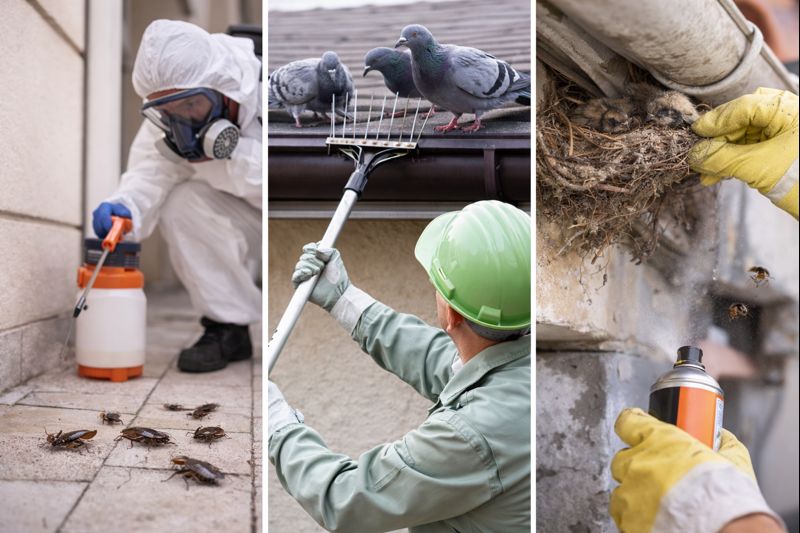
Technicians use tools and methods like nets, one-way doors, and spikes designed to exclude birds without injury. They also provide prevention: sealing entry points, installing deterrents, and advising on vents or chimney modifications to stop re-nesting. You get documented service records and liability coverage, which protects you if cleanup reveals structural damage or biohazards.
Common Signs of Bird Nests on Your Property
You may notice concentrated droppings beneath eaves, vents, or ledges; fresh white-gray streaks on walls or soffits often indicate active roosting. Listen for repetitive chirping or scratching sounds inside attics, chimneys, or between wall voids, especially at dawn and dusk.
Physical materials—twigs, grass, feathers—near gutters, HVAC intakes, or roof valleys signal nest-building. Blocked vents, reduced airflow, or unexplained odors can mean nests inside ducts or chimneys. Photographs of the area and time-of-day observations help professionals assess activity before scheduling removal.
Types of Birds and Nesting Behaviors
Pigeons commonly roost on flat ledges, soffits, and HVAC units; they build bulky nests from debris and return year-round. House sparrows and starlings prefer small cavities, gutters, and vents; they reproduce rapidly and form messy colonies that clog openings.
Swifts and swallows attach cup-shaped nests to eaves and bridges; their nests often consist of mud and can be protected by law in some regions. Raptors and woodpeckers may excavate rafters or siding for nesting cavities; identification matters because many raptors are protected and require different handling. Knowing species guides timing, legal compliance, and the exclusion methods professionals choose.
Dangers and Risks of DIY Removal
Removing nests yourself can breach wildlife protection statutes and expose you to fines if eggs or young are present. You risk physical injury from falls when accessing roofs, chimneys, or gutters; common mishaps occur with ladders and confined spaces.
Nests harbor pathogens (histoplasma, salmonella) and parasites (mites, ticks) that can cause respiratory and skin infections; improper cleanup spreads contaminants into HVAC systems. DIY exclusion attempts can trap birds inside walls or ducts, increasing noise and damage. Professionals mitigate these hazards with proper PPE, containment, and disposal protocols.
Bird Nest Removal and Prevention Solutions
You’ll find clear steps for assessing nest issues, removing nests humanely, cleaning contaminated areas, and installing deterrents that reduce return visits. Each approach focuses on safety, legal compliance, and lasting results.
Inspection and Assessment Procedures
Start by identifying bird species, nest location, and whether eggs or chicks are present. Species matter because protected birds (like many native songbirds) restrict removal timing and methods under local wildlife laws; you must confirm legal status before acting.
Conduct a structural inspection of vents, eaves, chimneys, gutters, and HVAC intakes with binoculars or a drone for hard-to-reach spots. Note nesting materials, accumulation of droppings, and entry points. Record photos and measurements to plan exclusion hardware and estimate labor.
Assess risks to people and property: fire hazards in chimneys, blockage of ventilation, and slip or contamination risks from droppings. Prioritize urgent removals for nests in mechanical systems or where infestation attracts predators or pests.
Safe and Humane Removal Methods
Only remove active nests when legally permitted and when chicks are nonviable or the species isn’t protected. If eggs or chicks are present and local law prohibits disturbance, delay removal until young have fledged or obtain a wildlife permit.
Use personal protective equipment: N95 respirator, gloves, eye protection, and disposable coveralls. Approach nests quietly to reduce adult bird stress. For relocations, capture adults only under licensed rehabilitation protocols; untrained attempts can cause harm and legal issues.
For inactive nests, carefully remove materials, bag them in sealed containers, and disinfect tools. For larger infestations, hire a licensed wildlife removal service that uses humane trapping, one-way exclusion doors, or professional relocation according to regulations.
Nest Cleanup and Sanitation
Treat droppings and nesting debris as biohazards; they can carry histoplasmosis and other pathogens. Ventilate the area, avoid dry-scraping, and wet surfaces with a disinfectant solution to suppress dust before removal.
Use a disinfectant registered for bird waste (bleach diluted 1:10 is common for hard surfaces) and follow contact time listed on the label. Dispose of contaminated insulation, nesting material, and porous items that can’t be fully sanitized in sealed bags at municipal waste facilities; check local disposal rules first.
Clean HVAC intakes and ductwork if nesting occurred near ventilation. Replace filters and inspect fans for contamination. Document cleaning steps and photographs for records, especially for commercial properties concerned with liability and regulatory compliance.
Long-Term Deterrence Strategies
Begin with physical exclusion: install bird spikes on ledges, stainless-steel mesh over vents, one-way exclusion flaps, and chimney caps with spark arrestors. Measure ledges and vents to buy correctly sized hardware and seal gaps greater than 1/2 inch where pigeons or starlings can enter.
Modify habitat to make your site less attractive: remove easy access to food, secure trash cans, and trim nearby tree branches within 3–6 feet of nesting ledges. For rooftops, consider sloped, angled surfaces that prevent comfortable nesting.
Use visual and auditory deterrents selectively: reflective tape, hawk kites, and ultrasonic devices can work short-term but require rotation and maintenance. Combine deterrents with regular inspections every 3–6 months and seasonal maintenance—replace damaged exclusion hardware promptly to maintain long-term effectiveness.