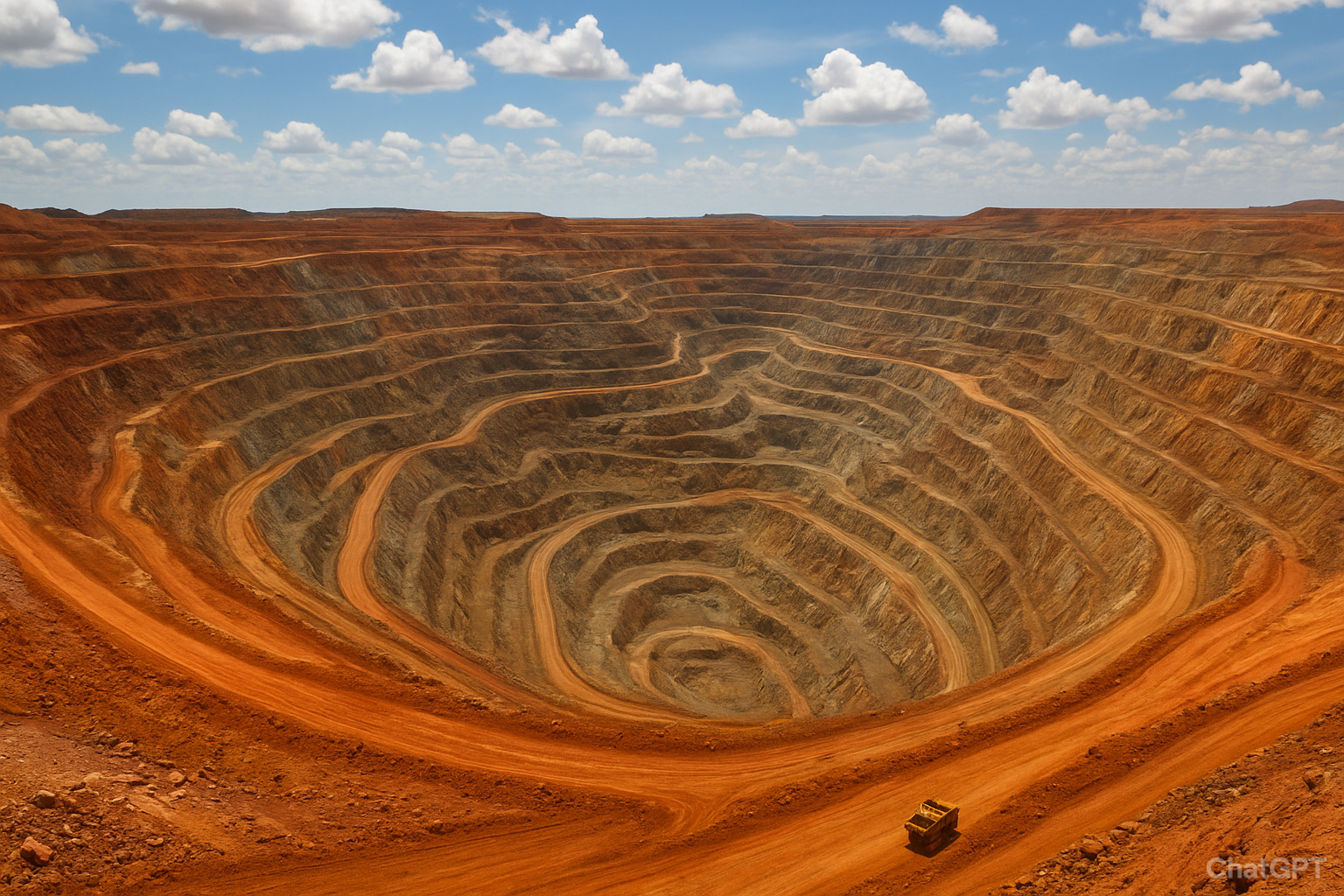
You’ll find Michigan’s mining story is both historic and current: the state helped launch U.S. copper mining in the 19th century and today hosts active operations that supply critical metals like nickel and copper for modern technologies.
Expect a concise tour through Michigan’s mining past, the industries that shaped local economies, and the present-day mines and projects driving jobs and materials for batteries and infrastructure.
As you move through the article, you’ll learn how historic copper and iron fields evolved into today’s diversified mineral economy, who runs the mines now, and what economic and environmental trade-offs matter most.
History and Overview of Mining in Michigan
Michigan’s mining history centers on ancient Native American copper use, 19th-century geological surveys, and industrial-scale extraction of copper and iron that shaped regional towns and transportation networks.
Early Mining Operations
You encounter evidence that mining in Michigan began long before European arrival. Native Americans worked native copper deposits on Isle Royale and the Keweenaw Peninsula as early as 3000 BCE, cold-hammering and shaping copper into tools and ornaments. These prehistoric operations left pits, trenches, and artifacts that archaeologists still study.
In the 19th century, prospecting shifted to commercial methods. Simple open pits and adits gave way to shaft sinking and mechanized hoisting as entrepreneurs responded to reports of rich, near-surface copper and iron. Those early commercial mines created the templates—mills, smelters, docks, and worker settlements—that later expanded into full industrial towns.
Copper and Iron Ore Discovery
You should know Douglass Houghton played a pivotal role in documenting Michigan’s mineral wealth. His 1840 geological report highlighted the Keweenaw’s native copper, prompting rapid investment and a land rush by speculators and mining companies.
Iron followed soon after in the Upper Peninsula’s Marquette and Menominee ranges. By the 1870s iron ore shipments climbed sharply; the Marquette Range opened in 1845 and Menominee produced its first shipment in 1877. Over time, high-grade ores declined, prompting shifts to lower-grade taconite processing in the 20th century and changes in regional industry structure.
Key Mining Regions
You will find three dominant regions: the Keweenaw Peninsula for copper, and the Marquette and Menominee (plus Gogebic) ranges for iron. The Keweenaw hosted mines like Quincy, Calumet, and Wolverine, notable for native copper and amygdaloidal basalt “shot copper.” These sites powered local economies and drew immigrant labor.
Marquette and Menominee ranges produced bulk iron ore for Great Lakes shipping and steel mills, with ore docks, rail links, and large open pits. Gogebic added later to regional output. Today, active mineral production includes nickel, cement, sand, and gravel, while historical sites function as museums and interpretive parks preserving mining heritage.
Current Mining Activities and Economic Impact
You will find active extraction of copper, nickel, iron, and industrial minerals across Michigan, concentrated in the Upper Peninsula and select sites elsewhere. Mining supports jobs, regional incomes, and supply chains for batteries, construction, and manufacturing.
Major Minerals Extracted Today
Copper and nickel are the most prominent metallic commodities today, especially in the Upper Peninsula where modern projects target sulfide deposits used in battery and electrical applications. Iron remains important in some northern operations and legacy sites supply aggregate and construction-grade materials.
Nonmetal industrial minerals — including cement, construction sand and gravel, and crushed stone — supply Michigan’s building and road sectors. Small-scale production of gemstones and recreational rockhounding also continues, but these activities contribute far less to state mineral value than metal and aggregate mining.
Leading Mining Companies
A mix of large firms and mid-size developers operate in Michigan. Some companies focus on base metals (copper, nickel) and advanced battery materials, while others run aggregate and industrial-mineral quarries that serve local construction markets.
You should watch firms that have active permits and ongoing exploration in the Upper Peninsula, as well as regional contractors who operate multiple sand, gravel, and crushed-stone sites across the Lower Peninsula. Public filings and state permit records provide the best source for current operator lists and production figures.
Mining’s Role in Michigan’s Economy
Mining contributes roughly billions in annual mineral production value and supports thousands of direct jobs across the state. Primary sectors benefitting include manufacturing, construction, and the emerging clean-energy supply chain that needs battery metals.
You will see economic effects concentrated in the Upper Peninsula, where mining payrolls, contractor work, and local procurement sustain small towns. State GDP data and industry reports track mining’s output, while county-level employment statistics show where the economic benefits concentrate.
Environmental Stewardship in Mining
You must consider permitting, reclamation, and water management when evaluating modern Michigan mines. Operators are required to meet state and federal rules for wastewater discharge, mine reclamation, and air-quality controls, and many mines now include long-term closure plans in permit applications.
Companies increasingly implement monitoring programs for surface water, groundwater, and habitat restoration. Community engagement and independent oversight by state agencies help ensure compliance and can speed corrective action when monitoring identifies issues.